
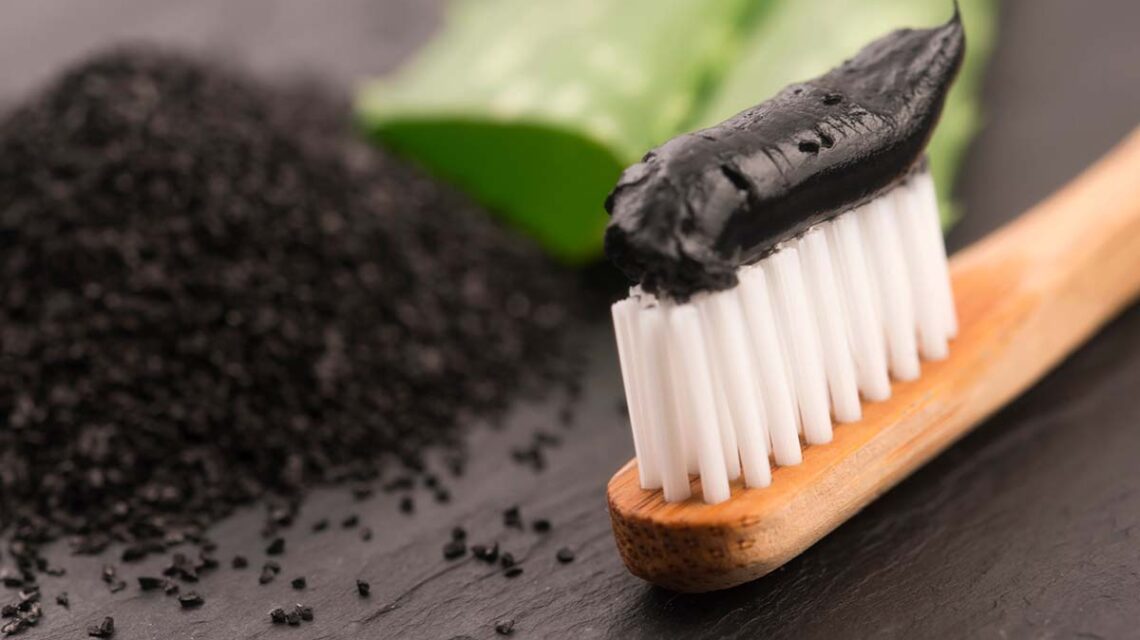
Charcoal Toothpastes: A Dentist’s Take
Charcoal toothpastes have become popular for their “natural whitening” claims and striking black colour. While the idea may seem appealing, it’s important to understand what the science actually says—and what dentists want you to know before brushing with charcoal products.
What Charcoal Toothpaste Is
Most charcoal toothpastes use activated charcoal, a porous form of carbon designed to bind substances on its surface. In medicine, activated charcoal is useful for absorbing certain toxins. In toothpaste, its role is marketed as absorbing stains and brightening teeth.
Why People Think It Whitens
Charcoal particles can remove surface stains, such as those from tea, coffee, or food pigments. This type of “whitening” is actually mechanical: the charcoal acts like a mild abrasive that scrubs stains off the enamel.
But it does not change the natural colour of the tooth or lighten deeper discoloration inside the enamel, which only professional whitening can do.
The Dental Concerns
1. Abrasiveness
Charcoal can be more abrasive than traditional polishing agents. Over time, excessive abrasion may:
- Wear away enamel
- Increase sensitivity
- Make teeth look more yellow as underlying dentin shows through
2. Lack of Fluoride in Many Brands
Fluoride strengthens enamel and helps prevent cavities. Many charcoal toothpastes do not contain fluoride, which may increase the risk of cavities in children and adults prone to decay.
3. Potential Gum Irritation
Charcoal particles can lodge under the gumline and irritate soft tissue. Patients with gum recession or periodontal issues may experience more soreness or inflammation.
4. Stain Accumulation
Ironically, charcoal toothpaste can sometimes leave grey deposits in microscopic pits or cracks in enamel, creating more discoloration rather than less.
5. Limited Scientific Evidence
While plenty of products claim benefits, there is limited high-quality research supporting charcoal toothpaste as safer or more effective than standard fluoride toothpaste.
Dentist-Recommended Alternatives
For safe, evidence-based whitening, dentists typically recommend:
- Conventional fluoride toothpaste with mild abrasives
- Whitening toothpaste containing low-concentration peroxide
- Professional whitening for deeper stains
- Regular cleanings to remove plaque and tartar that dull the smile
These options brighten teeth without compromising long-term oral health.
You can call us today to book an appointment and find out what is best for your teeth!